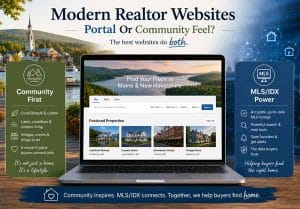
Many buyers now begin their property search on large real estate platforms like Zillow. That reality is not going away anytime soon.
But that does not mean realtor websites no longer matter.
A strong real estate website still plays an important role in building trust, improving local visibility, showcasing expertise, and helping buyers and sellers feel more confident about reaching out to an agent directly.
Large real estate platforms may help people browse listings, but a realtor website can still provide something more personal, local, and focused on the client experience.
But here is the part many agents miss:
Your website does not need to become Zillow. It needs to do what Zillow cannot do for you.
It needs to show: 
- your local expertise
- your personality
- your service area
- your listings
- your knowledge
- and why someone should trust you when it is time to make a real decision
Large real estate platforms may help people browse. Your website should help people believe you are the right person to call.
Learn more about our real estate website design services for agents, brokers, and real estate professionals.
The IDX Trap
Many real estate websites rely too heavily on IDX search. IDX is useful. Buyers expect to search listings. But IDX alone does not make a strong real estate website.
If your website is just a property search tool with your logo at the top, it may feel like a smaller, weaker version of the big real estate platforms.
And that is a hard battle to win.
A successful real estate website should do more than simply display listings.
What Buyers Actually Need From You
Buyers can look at listings almost anywhere. What they still need is guidance.
They want to know:
- Which towns fit their lifestyle?
- What areas are better for year-round living?
- What lake communities are different from each other?
- What should they know before moving to Maine or New Hampshire?
- Who will answer their questions when things get stressful?
That is where your website can do something Zillow cannot.
Your Local Knowledge Is the Advantage
A strong real estate website should not only show properties. It should show that you understand the market.
Town pages, neighborhood guides, lake-area information, relocation tips, buyer resources, seller advice, and local insight can make your website feel useful before someone is ready to call.
That builds trust. And trust matters long before the contact form is filled out.
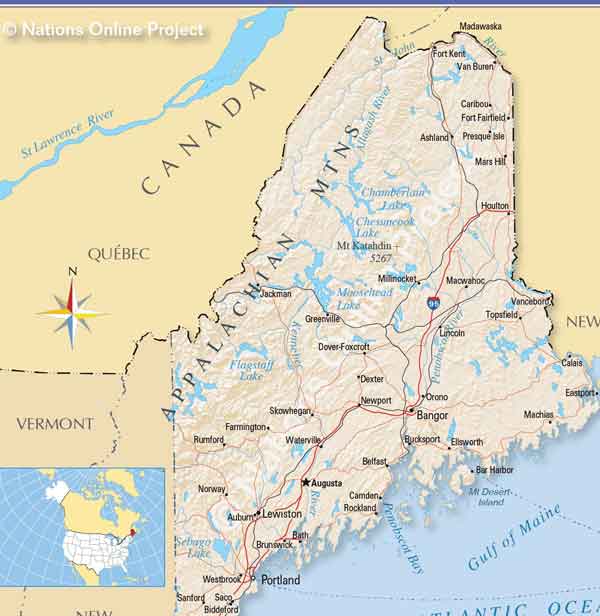
This is especially important for agents working in competitive markets throughout Maine and the New Hampshire Lake Region.
The Website Should Support the Agent
- Your real estate website is not supposed to replace you.
- It is supposed to support you.
- It should make you easier to find, easier to trust, and easier to contact.
- It should give visitors a reason to stay longer than a quick property search.
Final Thought
If your real estate website is trying to compete with Zillow only on listings, it is probably losing.
But if it focuses on local expertise, trust, guidance, and real human support, it becomes something much more valuable.
A place where buyers and sellers begin to understand why they should work with you.
And that is where a realtor website can still win.
Need help improving your realtor website? Explore our real estate web design services or request a free website review.
FAQ
Why do many real estate websites struggle to compete online?
Many realtor websites rely too heavily on IDX search and listings without offering enough local expertise, guidance, or personality. Buyers can search listings almost anywhere, so websites need to provide more than property searches alone.
What is IDX in real estate web design?
IDX (Internet Data Exchange) allows real estate websites to display MLS property listings directly on their website. It is useful for property search functionality, but IDX alone does not create an effective real estate website.
Can a realtor website compete with Zillow?
A realtor website should not try to become Zillow. Instead, it should focus on local knowledge, trust, guidance, community expertise, and creating a more personal experience for buyers and sellers.
What makes a strong real estate website?
- A strong real estate website combines:
- property search tools
- local market knowledge
- community information
- helpful content
- strong branding
- easy contact options
- clear calls to action
Why is local expertise important for realtor websites?
Buyers and sellers often want information that large real estate platforms cannot provide, including neighborhood insight, local recommendations, market knowledge, and guidance from someone familiar with the area.
Should real estate websites only focus on listings?
No. Property listings are important, but buyers also look for trust, guidance, and useful information before deciding who they want to work with.
Can local SEO help real estate websites?
Yes. Local SEO helps realtor websites appear in search results for specific towns, neighborhoods, lakes regions, and local real estate searches, helping attract more targeted visitors.