In e-commerce, visual design often becomes the main focus. Brands invest heavily in polished layouts, large product images, and modern aesthetics to create a strong first impression.
And first impressions matter.
But looking good is not the same as selling well. Many e-commerce websites appear professional and carefully designed, yet struggle to generate consistent sales. The issue is rarely the visual quality itself—it’s how the design supports, or fails to support, the buying process.
In e-commerce, design is not decoration. It is part of the sales system.
Appearance Creates Interest, Not Results
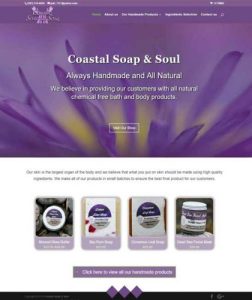
A visually appealing e-commerce website helps establish credibility. It signals professionalism, legitimacy, and brand consistency. These elements are especially important in competitive markets, where trust must be earned quickly.
However, appearance alone does not guide decisions.
When design is driven primarily by aesthetics, it often prioritizes style over clarity. The result is a store that looks refined but leaves customers unsure about pricing, value, next steps, or even whether the product is right for them.
Interest without direction rarely turns into a sale.
Selling Online Depends on Momentum
Design that sells is built around movement. It helps customers progress naturally from browsing to buying without unnecessary pauses or doubts.
Selling-focused e-commerce design reduces friction. It keeps attention on what matters and removes obstacles that slow decision-making. The experience feels simple, predictable, and trustworthy.
When momentum breaks—even briefly—sales suffer.
Where Good-Looking Stores Usually Lose Sales
This is the core issue. The gap between design that looks good and design that sells almost always appears in the same areas:
difficulty finding the right products
unclear pricing, shipping, or value communication
hesitation caused by missing reassurance or trust signals
buying steps that feel longer or more complex than expected
Even small points of friction compound quickly in e-commerce. Customers don’t complain. They leave.
Visual Design Can Work Against Sales
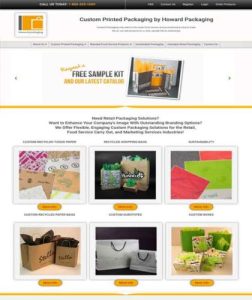
In many online stores, visual elements unintentionally compete with the buying process. Large images push important information below the fold. Animations distract from calls to action. Creative layouts reduce predictability.
None of these choices are inherently wrong. The problem arises when they are made without considering how customers actually shop.
Online buyers value clarity over creativity. They want to feel informed, confident, and in control.
More Traffic Doesn’t Fix a Store That Doesn’t Sell
When sales underperform, many businesses respond by increasing advertising or driving more traffic. While visibility matters, traffic does not fix structural problems.
If visitors struggle to navigate, understand value, or complete a purchase, more traffic simply increases wasted spend.
This principle applies beyond e-commerce and reflects a broader pattern discussed in
The Difference Between a Website That Looks Good and One That Performs
Strategy Comes Before Visual Decisions
Effective e-commerce design starts long before layouts and colors.
At NH Windfall Design, the focus is on understanding how a business operates, how customers evaluate products, and where hesitation typically occurs. This allows each design decision to support real buying behavior rather than visual trends.
Design becomes a strategic asset only when it follows business logic.
Design That Sells Feels Effortless
High-performing e-commerce websites rarely feel complicated. They feel intuitive.
Customers know where they are, what they’re looking at, and what to do next. Information appears when it’s needed. Reassurance is present without being overwhelming.
This sense of ease is not accidental—it’s designed.
Growth Exposes Weak Design Choices
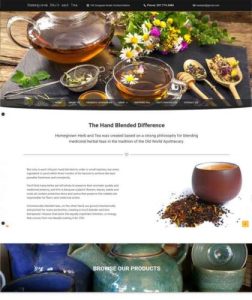
As e-commerce businesses grow, weaknesses in the buying experience become more visible. Higher traffic amplifies friction. Larger catalogs increase complexity. Stronger competition raises customer expectations.
Design choices that once felt acceptable begin to limit growth. At this stage, visual appeal alone is no longer enough.
Sales Reveal the Truth About Design
In e-commerce, sales are the clearest measure of design effectiveness.
A store can look modern, polished, and on-brand—and still fail to support growth. Design that sells is focused on behavior, not trends. It removes obstacles, builds confidence, and keeps customers moving forward.
When businesses shift their attention from how their store looks to how it works, performance follows naturally.
Frequently Asked Questions
Can an e-commerce website look professional and still struggle with sales?
Yes. Visual quality helps with first impressions, but sales depend on clarity, trust, and how easily customers can complete a purchase.
Does improving design always improve e-commerce performance?
Not necessarily. Design changes only improve results when they reduce friction, clarify value, and support the buying process.
Is poor e-commerce performance usually a traffic issue?
In many cases, no. Low sales often come from usability issues, unclear product information, or friction during checkout rather than a lack of visitors.
Can small design details really affect sales?
Yes. In e-commerce, small points of hesitation—unclear pricing, missing reassurance, or confusing navigation—can significantly reduce completed purchases.
When should an e-commerce business rethink its website design?
When traffic increases but sales don’t, when cart abandonment is high, or when the site no longer supports the size or complexity of the business.
Who benefits most from performance-focused e-commerce design?
Businesses that rely on online sales and plan to grow benefit the most from design that prioritizes clarity, usability, and trust.